ðŸŠī Fresh decor inspiration delivered weekly — Subscribe free
âœĻ New Tips Weekly

Make Every Corner of Your Home Feel Intentional

We help you create beautiful, comfortable living spaces with practical decorating advice — no design degree needed.

120+Decor Articles
45KMonthly Readers
6Room Categories
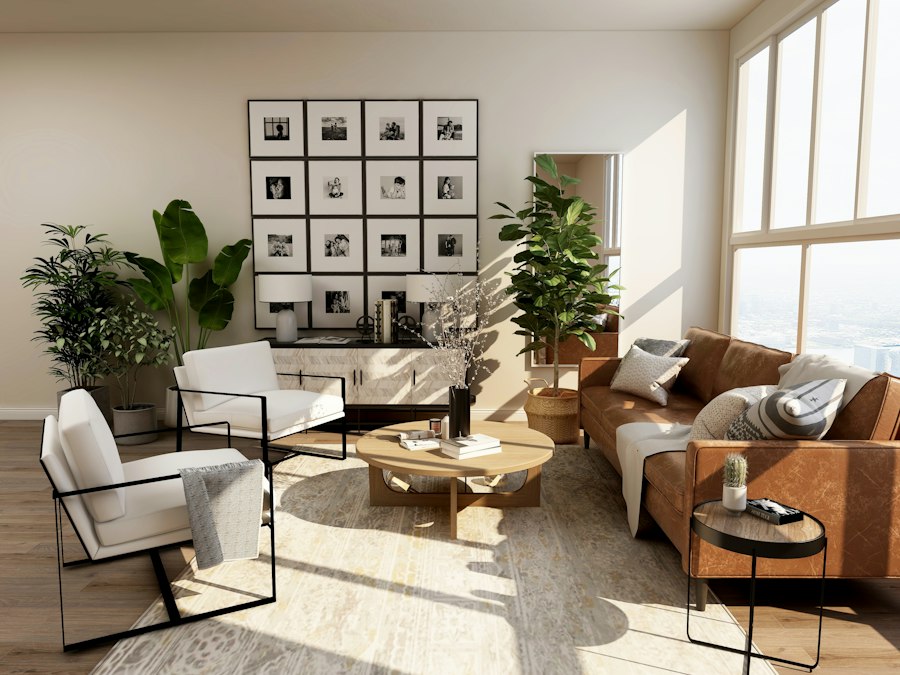
Beautifully styled modern living room with neutral tones, green plants, and natural light
🏆
Top TipLayer textures for a cozy feel
📝 Featured Articles

Decor Tips That Actually Work

Practical, tested decorating advice from real home stylists — no fluff, just ideas you can use today.

Spacious living room with warm white walls, layered neutral rugs, and curated shelf decor

How to Choose the Perfect Wall Color for Any Room

Wall color sets the entire mood of a room, yet most people rush this decision or default to plain white. The secret to choosing the right paint color is understanding how light interacts with your space throughout the day. North-facing rooms receive cooler, bluish light, so warm tones like creamy ivory, soft gold, or blush pink work beautifully to counterbalance the coolness. South-facing rooms are flooded with warm natural light, making them ideal for cooler shades like sage green, soft blue, or light gray. Always test paint samples on your actual walls and observe them in both morning and evening light before committing. Paint a large swatch — at least two feet square — on two different walls to see how the color shifts with changing light angles. Dark, moody colors like navy, forest green, or charcoal can make a large room feel intimate and sophisticated, while lighter tones open up smaller spaces and reflect more light. Consider painting your ceiling a shade lighter than your walls to create the illusion of height and airiness.
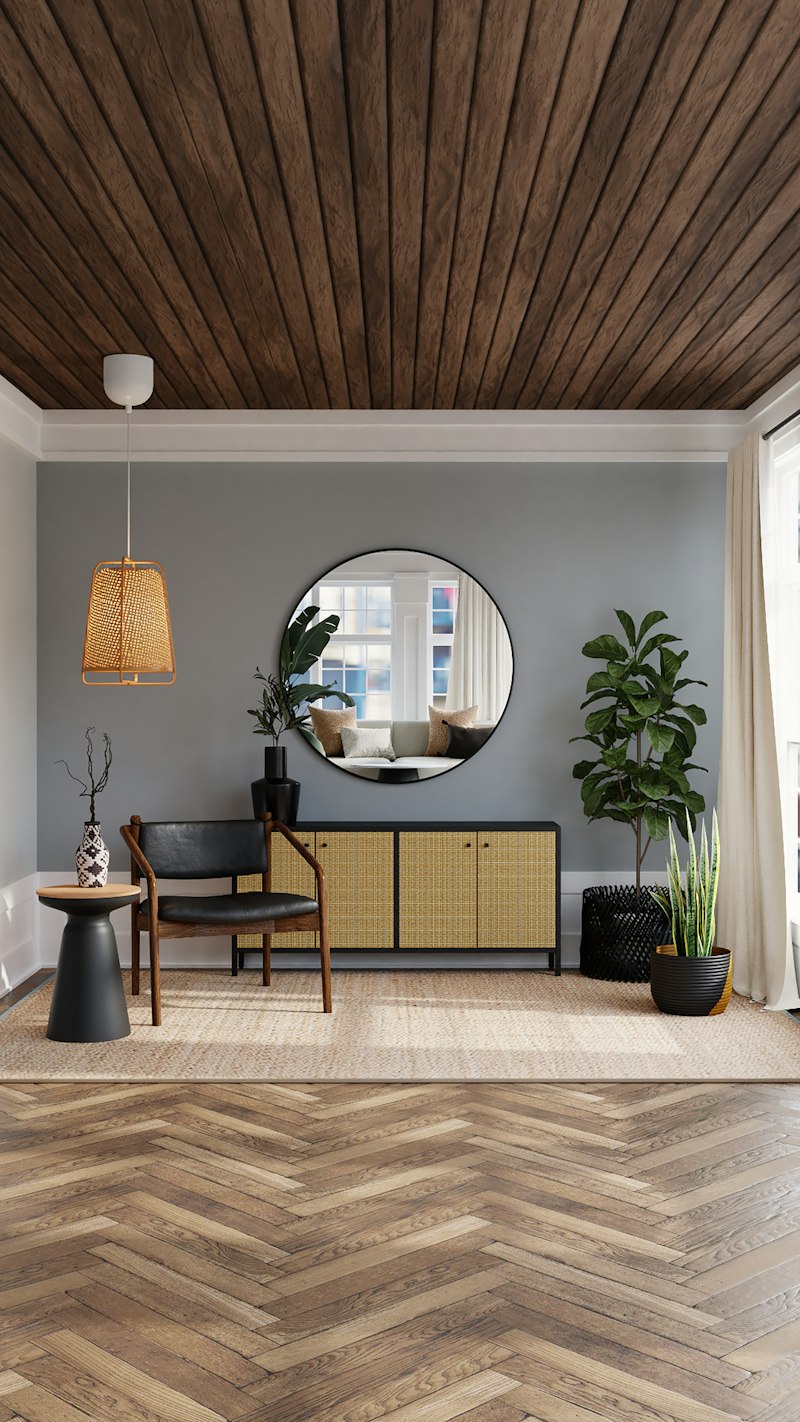
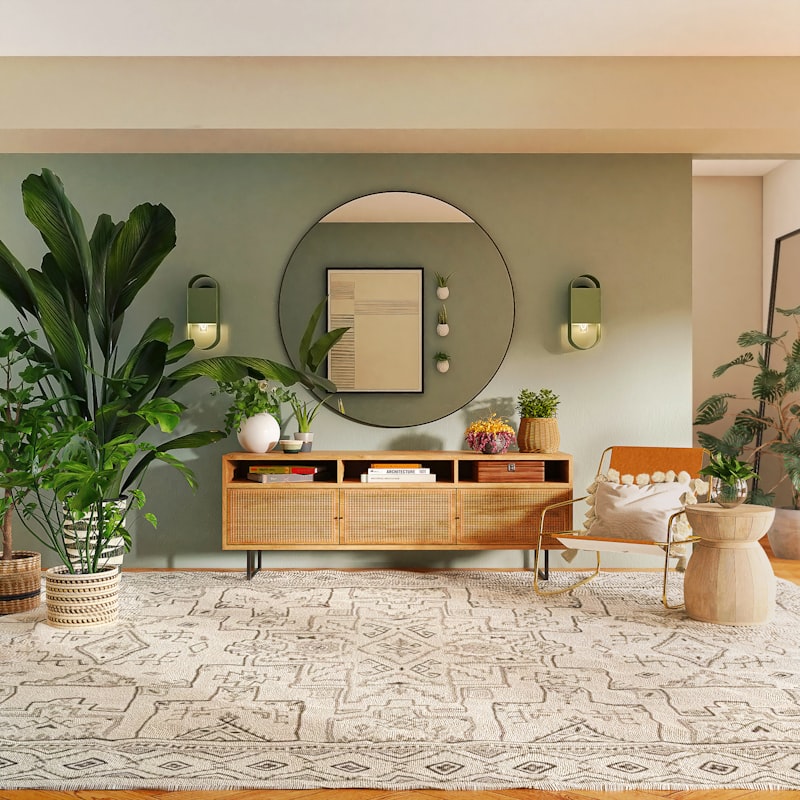
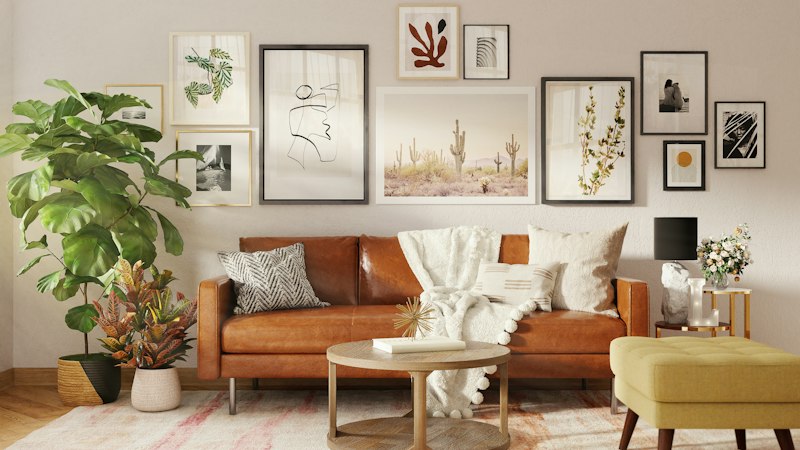
Elegant wall art arrangement with botanical prints, woven wall basket, and floating wooden shelves

The Complete Guide to Hanging Wall Art Like a Professional

Nothing makes a house feel like a home faster than artwork on the walls, but poor placement can ruin the effect entirely. The golden rule of hanging art is to position the center of the piece at eye level, which is roughly 57 to 60 inches from the floor — this is the standard used in museums and galleries worldwide. When hanging art above furniture like a sofa or console table, leave four to eight inches of space between the top of the furniture and the bottom of the frame. The artwork or grouping should span roughly two-thirds the width of the furniture below it to create balanced proportions. For gallery walls, maintain a consistent gap of two inches between all frames. Start by arranging everything on the floor or tracing frames onto kraft paper and taping the outlines to the wall before hammering a single nail. Mix frame styles but keep one element consistent — either the frame color, mat width, or art theme — to create unity within variety. Oversized statement pieces work best alone on a feature wall, while smaller prints shine when grouped in clusters of three, five, or seven.

Beautifully styled bookshelf with decorative objects, candles, plants, and hardcover books

Shelf Styling Secrets: Turn Clutter into Curated Displays

Open shelving is one of the most versatile decor opportunities in any home, but without intention, shelves quickly become dumping grounds for random objects. Professional stylists follow a simple framework to create magazine-worthy displays every time. First, remove everything from the shelf and start with a clean slate. Group objects by function and visual weight, then begin placing items using the triangle method — position three focal objects at varying heights to form an invisible triangle, which naturally draws the eye across the display. Alternate between vertical elements like tall vases and candlesticks and horizontal elements like stacked books and decorative boxes. Leave at least thirty percent of the shelf surface empty — negative space is what makes a display feel curated rather than cluttered. Incorporate organic elements like a small potted plant, a piece of driftwood, or a woven basket to add warmth and texture. Use books as both decor and functional risers, stacking them horizontally to elevate smaller objects. Stick to a three-color palette across all items on the shelf to maintain visual cohesion, and step back frequently to assess balance from a distance.

Cozy bedroom corner with warm ambient lighting from bedside lamp and string lights

Budget Lighting Hacks That Instantly Elevate Any Room

Lighting has more impact on how a room feels than almost any other decorating element, and the good news is that you do not need to spend a fortune to get it right. The biggest mistake most homeowners make is relying solely on a single overhead light, which creates harsh shadows and a flat, uninviting atmosphere. Instead, aim for three to four light sources in every room placed at different heights. Start with a statement floor lamp in a dark corner — this alone can transform the feel of a room by filling in shadows and adding vertical visual interest. Add a pair of table lamps on side tables or a console for warm, eye-level glow. String lights or LED strip lights behind a headboard, under kitchen cabinets, or along the back of bookshelves create beautiful accent lighting for under ten dollars. Swap cool white bulbs for warm-toned bulbs rated at 2700 Kelvin to instantly make any space feel cozier and more inviting. Battery-operated puck lights inside glass cabinets or in alcoves add dimension with zero installation effort. Consider replacing outdated boob lights with modern semi-flush fixtures or simple drum shades — this affordable upgrade makes a dramatic visual difference.

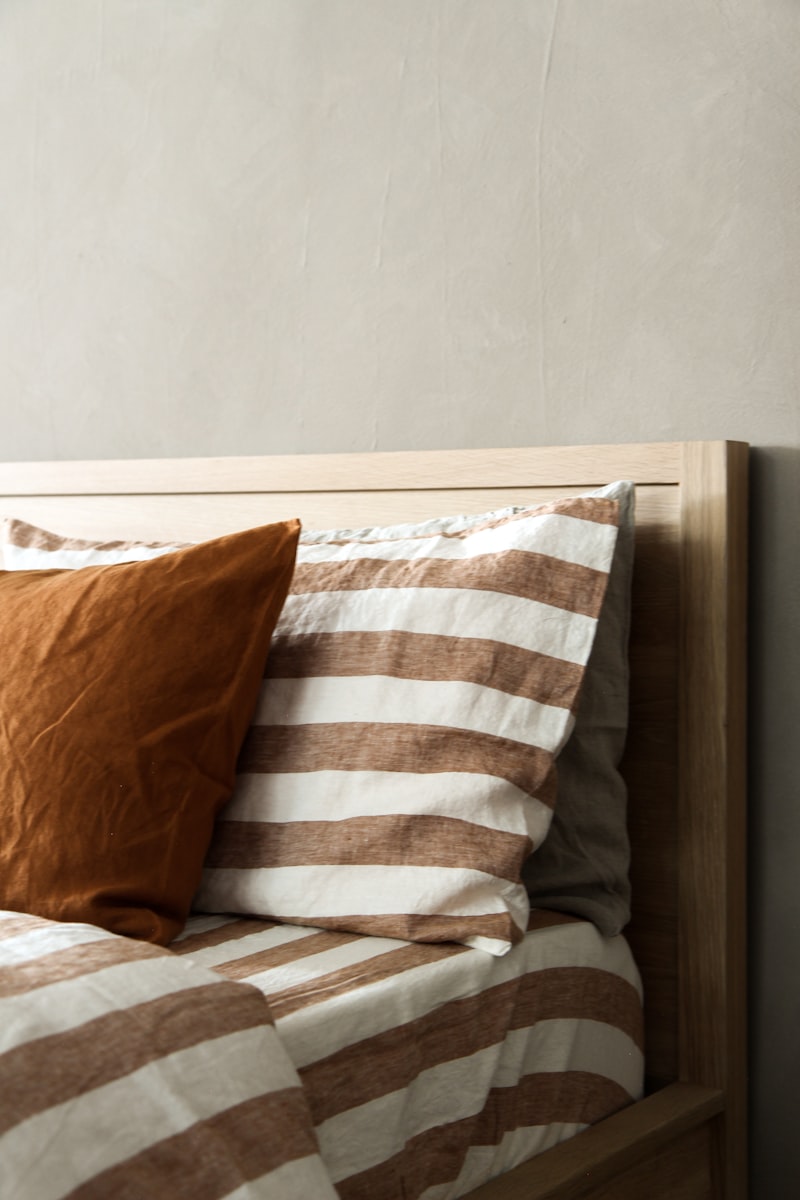
Layered textile arrangement with throw blankets, patterned cushions, and linen curtains in a living room

How to Use Textiles to Make Any Room Feel Luxurious

Textiles are the unsung heroes of interior decoration. Curtains, rugs, throw blankets, and cushions can completely change the character of a room without moving a single piece of furniture. Start with curtains — hang them as close to the ceiling as possible and extend the rod eight to twelve inches beyond each side of the window frame. This simple trick makes windows appear larger and ceilings taller. Choose curtains that just barely kiss the floor for a polished, tailored look. For rugs, size matters more than pattern — in a living room, all furniture legs should sit on the rug, or at minimum the front legs of sofas and chairs. A too-small rug makes the entire room feel disjointed. Layer a smaller patterned rug over a larger neutral one for depth and warmth. On sofas and beds, arrange throw pillows in odd numbers using a mix of sizes and textures — combine a large solid pillow, a medium patterned one, and a small lumbar pillow for a designer look. Drape a textured throw blanket over one arm of the sofa rather than folding it symmetrically for an effortlessly styled appearance. Swap textiles seasonally — lightweight linen and cotton in summer, chunky knits and velvet in winter — to keep your home feeling fresh and relevant all year long.